



Beef Casino Protection Is It Safe to Play in UK

When I hear someone ask if Beef Casino Plus 200 Free Spins is trustworthy to play at in the UK, my initial impulse is to dig into the solid information that differentiate a safe site from a dangerous choice. It’s a legitimate query for any British player seeking to experience their playing without worrying about the protection of their finances and private details. From my perspective, evaluating an online casino’s security isn’t just about checking for a licence; it involves scrutinising their cryptographic measures, game integrity verifications, and business transparency. I’ve dedicated ample hours analysing Beef Casino’s structure to give you a clear, practical view of what they offer, so that you can decide wisely based on reality, not empty promises.
Potential Red Flags for UK Players
Even with a regulated casino, it is crucial to remain watchful for red flags that could suggest security or fairness issues. One major red flag is a absence of transparency. If I cannot easily find the licence information, certification seals, or transparent terms and conditions on the Beef Casino website, it creates immediate concerns. Similarly, if the support team is unclear when asked specific questions about security protocols or payment processing times, that is a major problem. Another key warning sign is encouragement to deposit more or ignore responsible gambling limits you have placed for yourself.
Be cautious of promotional offers that appear too good to be true, as they often are accompanied with excessive wagering requirements meant to make withdrawals nearly unfeasible. I also recommend caution if you observe delayed payment processing without valid, communicated reasons, such as normal verification procedures. For UK players, a key red flag would be if the casino tries to offer services without a clear UKGC licence, or if it prompts you to use unlicensed cryptocurrency transactions to avoid standard consumer protections. Spotting these possible issues enables you to preventively protect yourself and pick operators that emphasise your security and fair treatment.
Game Fairness and RNG Auditing
The thrill of casino gaming depends on the core principle of fairness. You must understand that every spin of the slot reels, every deal of the cards, and every roll of the dice is truly random and not tampered against you. This is where Random Number Generators (RNGs) and independent certification come into play. Reputable software providers like NetEnt, Play’n GO, and Pragmatic Play, whose games you might find at Beef Casino, build certified RNGs into their games. However, the casino itself must also expose its gaming library to routine external audits by accredited testing agencies such as eCOGRA, iTech Labs, or GLI.
These independent auditors conduct comprehensive tests on the RNG software to ensure that the outcomes are mathematically random and that the published Return to Player (RTP) percentages are correct. When I evaluate a casino’s fairness, I look for readily available certification seals and audit reports, often shown at the bottom of the website. For a UK player, this external validation is vital. It means the games you’re playing at Beef Casino have been checked by a third-party expert, assuring the house edge is honest and open as advertised. Without this certification, there is no concrete proof that the games aren’t being altered, which is an unquestionable red line for any secure gaming environment.
Cryptography and Information Safeguarding Measures
After the legal framework is verified, my following attention is on the technical measures that safeguard your individual and monetary information. Every time you sign in, deposit funds, or upload documents to Beef Casino, that information travels across the internet. Without proper encryption, it could be eavesdropped. I examine the use of SSL (Secure Socket Layer) or TLS (Transport Layer Security) encryption, which is the identical technology utilized by top banks and online retailers. You can simply check for this by finding a lock icon symbol in your browser’s address bar next to the website’s URL, which should also begin with ‘https://’. This encryption converts data into an encrypted format during transfer, making it useless to any potential eavesdropper.
In addition to transmission security, I examine how Beef Casino says it keeps and processes your data in-house. A trustworthy casino will have explicit policies on information keeping, limiting access to confidential information to authorised personnel only, and employing firewalls and intrusion detection systems. They should also be open about their compliance with data protection laws, specifically the UK General Data Protection Regulation (UK GDPR). As a UK player, you have specific rights concerning your personal data, such as the right to access, rectify, or ask for removal of your information. A reliable operator will have a detailed privacy policy that outlines these procedures, showing a commitment to protecting your online presence as seriously as they protect your money.
Safe Gaming Tools and Player Support
Real safety extends further than securing your data and money; it encompasses preserving your wellbeing. A casino that is secure for UK players must take its responsible gambling duties seriously, as mandated by the UKGC. I search for the useful features Beef Casino provides to help you manage your play. These should include easy-to-set deposit limits, loss limits, wagering limits, and session time reminders. Enhanced tools like self-exclusion options, which allow you to take a break for a set period, and reality checks that pop up during gameplay, are key elements of a player-focused platform.
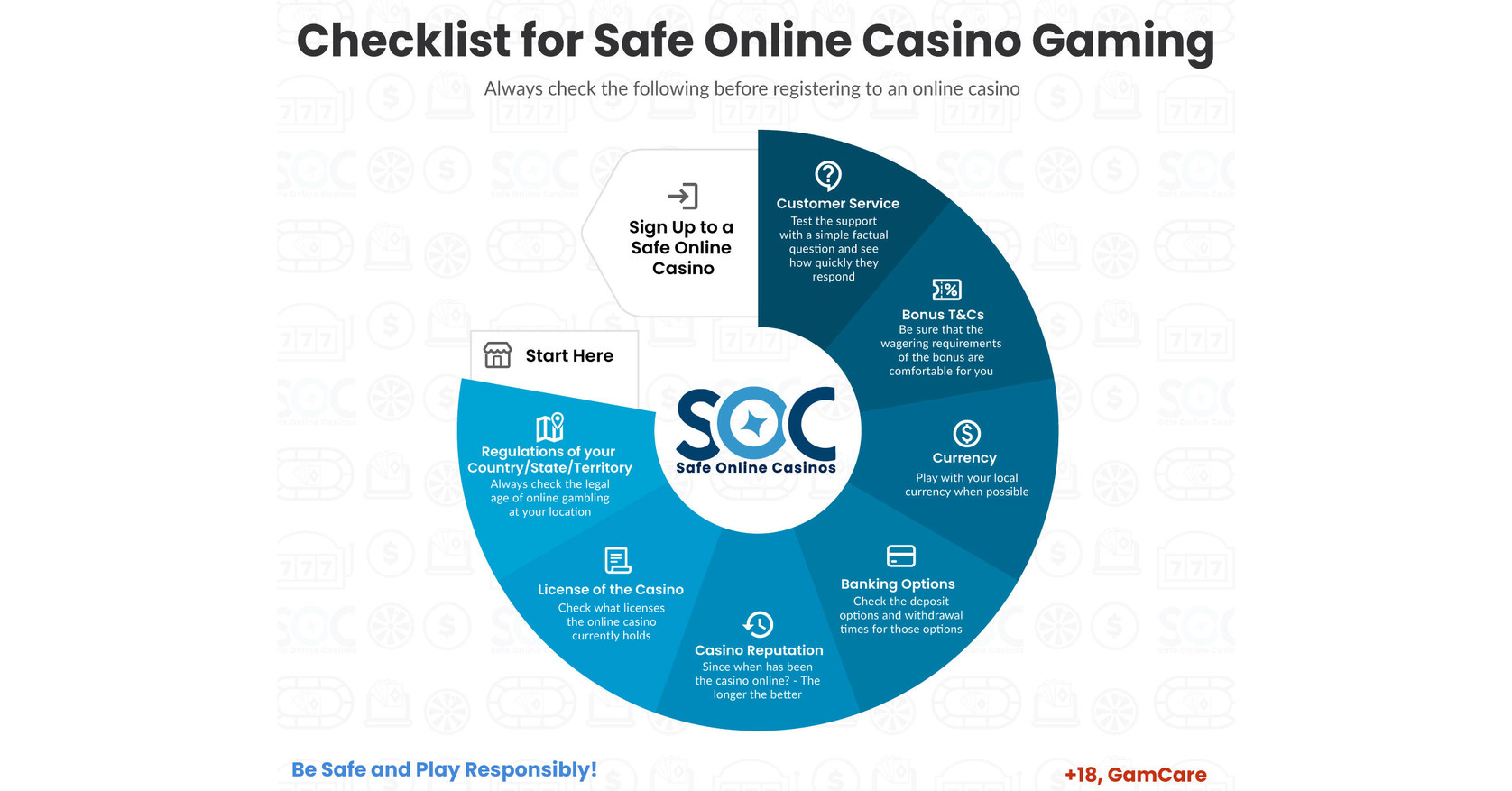
Access to professional support is another important aspect. A secure casino will visibly feature organisations like GamCare, GamStop, and BeGambleAware, which offer free, confidential advice and support. The quality of the casino’s own customer support is also a security indicator. I test their responsiveness through multiple channels—live chat, email, and sometimes phone. Support agents should be well-informed, courteous, and able to provide clear answers on security protocols, account verification, and responsible gambling tools. For a player in the UK, knowing that help is quickly reachable from both the operator and independent bodies creates a key protective layer, making the gaming environment not just technically secure, but socially responsible.
Standing and User Feedback Analysis
While licenses and technical infrastructure offer the foundation, the practical insights of other users deliver priceless insights into a casino’s trustworthiness. Before forming a final opinion, I look closely into user reviews and forum discussions from reputable forums and review sites that cater to a UK market. I search for steady trends in feedback rather than isolated grievances. Common themes in player accounts about problems with payouts, unhelpful support, or opaque bonus terms are significant red flags that can point to hidden problems, irrespective of a legitimate licence.
In contrast, a pattern of positive feedback about prompt payouts, reasonable bonus handling, and responsive support bolsters the technical security measures. I also research the casino’s track record and company structure. A platform with a long-standing, strong reputation in the UK market, backed by a recognized and solid company, typically presents a reduced risk. It’s crucial to compare this user feedback with the concrete evidence of certifications and accreditations. A trustworthy casino like Beef Casino should have a standing that corresponds to its regulatory promises, building a consistent picture of an provider you can trust with your effort and money.
Financial Security and Financial Transactions
The security of your finances, both when depositing and requesting payouts, is a non-negotiable aspect of a secure casino encounter. I always examine the transaction methods offered by an provider like Beef Casino. Established and well-known options for UK gamblers, such as Visa, Mastercard, PayPal, and bank transfers, offer their own strong layers of consumer safeguards. The employment of established e-wallets and direct bank feeds adds an extra security layer, as your casino account isn’t directly linked to your main bank card. Crucially, I ensure that the casino conducts all operations on safe pages, utilising the encryption methods I mentioned earlier, so your card information are never compromised.
A key financial safety measure enforced by the UK Gambling Commission is the segregation of player money. This means Beef Casino is mandated to keep all player deposits in dedicated bank accounts from the money used to run the enterprise. This protects your money in the improbable event of the company turning insolvent. Additionally, I give careful consideration to the withdrawal system. A safe and fair casino will have clear, disclosed procedures for verifying your identity (a standard anti-fraud measure known as Know Your Customer or KYC) and handling payout requests without unnecessary delay. Transparent terms on turnaround periods and any possible fees are a strong indicator of a financially prudent operator.

Understanding the UK Gambling Commission Licence
The bedrock of any legitimate online casino running in the United Kingdom is a valid licence from the UK Gambling Commission. This isn’t just a bureaucratic formality; it represents one of the most rigorous regulatory seals in the world. For Beef Casino to legally serve UK players, it must hold and maintain this licence, which mandates strict adherence to rules on player protection, fair gaming, anti-money laundering, and responsible gambling. I consistently verify the footer of a casino’s website for the licence number and then verify it directly on the UKGC’s official register. This licence signifies the operator is subject to regular audits and can face severe penalties, including revocation, for any breaches. It fundamentally shifts the relationship, giving you, the player, a powerful regulatory body to turn to if anything goes wrong.
Holding a UKGC licence imposes specific obligations on Beef Casino that directly impact your safety. They are mandated to segregate player funds from the company’s operational accounts, implying your deposits are protected and should be available for withdrawal even if the company faces financial difficulties. Furthermore, they must implement robust age verification processes to prevent underage gambling, a critical social responsibility. The commission also mandates that games are fair and random, which is typically ensured through independent testing of the software. For a player in Manchester, London, or Edinburgh, this regulatory framework provides a foundational layer of trust that simply doesn’t exist with unlicensed operators targeting other regions.
Comparing Beef Casino to UK Industry Standards
To genuinely gauge Beef Casino’s safety, I compare its features against the accepted standards expected by veteran UK players. The reference point is, of course, the UKGC licence. From there, I evaluate its game portfolio’s certification from organisations like eCOGRA, the strength of its SSL encryption (usually 128-bit or higher is standard), and the comprehensiveness of its responsible gambling toolkit. The availability of UK-favourite payment methods like PayPal and the enforcement of strict KYC procedures are also standard expectations. I assess whether Beef Casino meets or exceeds these common benchmarks.
Furthermore, I look for any additional security enhancements that might set it apart. This could include implementing two-factor authentication (2FA) for account logins, which adds a essential extra layer of protection beyond just a password. The clarity and fairness of its terms and conditions, especially regarding bonuses and withdrawals, are also part of this comparison. A casino that operates transparently, with terms that are straightforward to understand and not designed to trap the player, demonstrates a promise to fair treatment. By comparing Beef Casino’s offerings against these industry norms, I can provide a clear, relative assessment of where it stands in the landscape of secure UK gambling sites.
Common Questions
Is it Beef Casino regulated and permitted for players across the UK?
To operate legally within the United Kingdom, a virtual casino must hold a valid licence from the UK Gambling Commission (UKGC). I always verify this by checking for the licence number in the footer of the casino’s site and verifying that it is still active on the public registry of the UKGC. This licence is non-negotiable; it ensures the casino adheres to strict standards on fairness, player protection, and financial security, making it legal and regulated for UK residents to play there.
How exactly does Beef Casino protect my private and financial data?
Beef Casino should implement standard SSL encryption, which you can identify by the padlock symbol in your browser’s address bar. This technology scrambles all data sent between your computer and their servers, safeguarding details like your login credentials, personal information, and payment details. Furthermore, they ought to have a transparent privacy policy that adheres to UK data protection regulations, detailing how your data is stored, utilised, and safeguarded against unauthorised access.
Are the games at Beef Casino fair and unbiased?
Fairness is ensured through verified Random Number Generator (RNG) software in all games, which secures random outcomes for every spin, hand, or roll. I look for independent audits from recognised testing agencies like eCOGRA or iTech Labs, who verify the RNG integrity and published Return to Player (RTP) rates. These audit certificates are often shown on the casino site, providing transparent proof that the games are not manipulated and function fairly for all players.
What kind of responsible gambling tools should I anticipate at Beef Casino?
As a UKGC-licensed operator, Beef Casino must supply a suite of effective responsible gambling tools. I anticipate to see options to set deposit limits, loss limits, wagering limits, and session time reminders. They should also present the ability to take a break via self-exclusion and provide clear links to support organisations like GamCare and GamStop. These tools are intended to help you stay in control of your gambling activity and play responsibly.
What actions should I do if I experience a problem with my account or a withdrawal?
Your first step is to always contact Beef Casino’s customer support through their official channels, such as live chat or email. Keep a record of all communications. If the problem persists and you think the casino is not following its licensing terms, you can escalate the complaint to the free and independent Alternative Dispute Resolution (ADR) service they are required to use. As a final option, you can contact the UK Gambling Commission, which oversees the operator’s actions.
tag:
Share:
